Lebensqualität in Mauritius
Entdecken Sie, warum Mauritius eines der attraktivsten Lebensziele Afrikas ist: politische Stabilität, tropisches Klima, internationale Schulen und hervorragende Gesundheitsversorgung.
Quality of life is increasingly a decisive factor in where internationally mobile professionals, entrepreneurs, and families choose to base themselves. On this dimension, Mauritius punches far above its weight. A small island nation of approximately 1.3 million people, Mauritius has consistently ranked as the top country in Africa for governance, safety, and human development across multiple international indices.
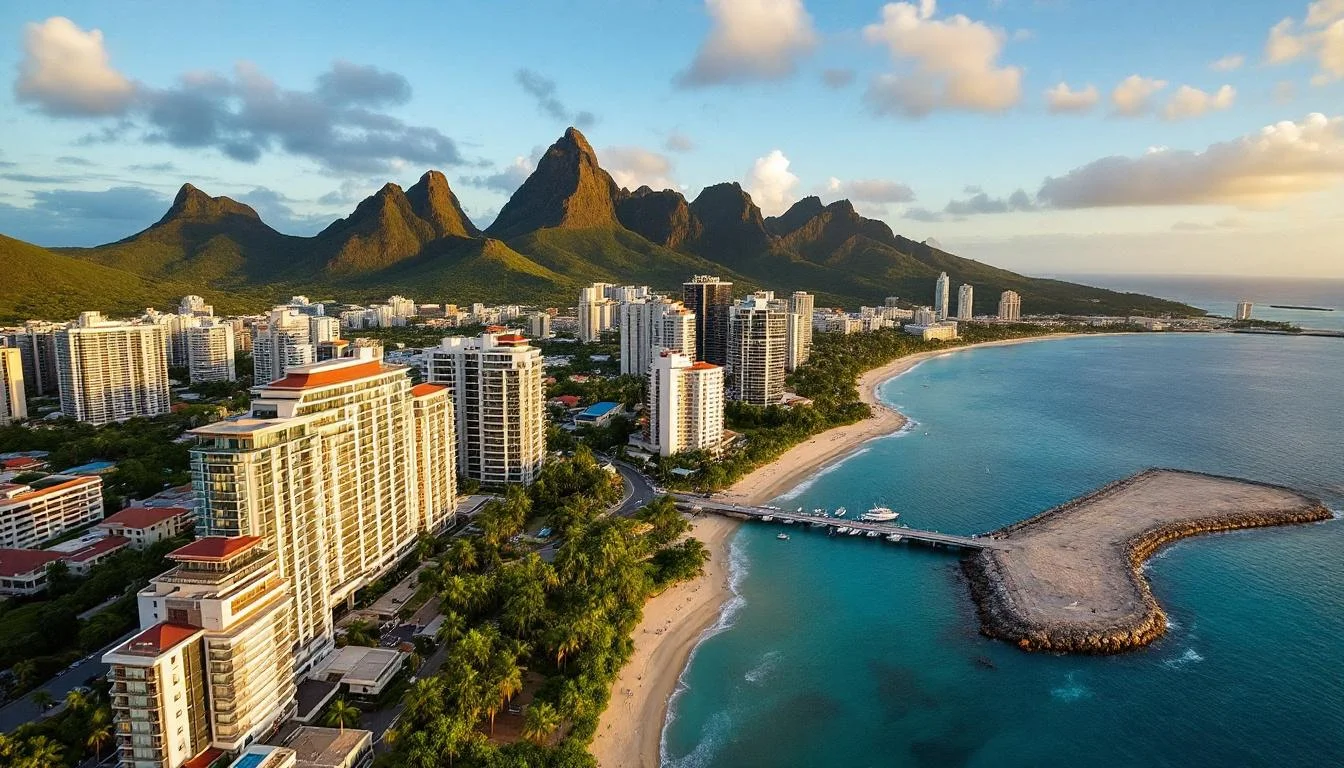
For expatriates and their families, Mauritius offers a combination that is genuinely rare: the natural beauty of a tropical Indian Ocean island — pristine white sand beaches, turquoise lagoons, lush mountains, and nature reserves — combined with modern urban infrastructure, excellent healthcare, quality international schools, a vibrant multicultural society, and a stable, democratic political environment with a strong rule of law. The climate is warm and tropical year-round. The food scene is extraordinary — a fusion of Creole, Indian, Chinese, French, and African cuisines reflecting the island's rich multicultural heritage.
The outdoor lifestyle is exceptional — water sports, hiking, golf, yoga, diving, and kitesurfing are all available on your doorstep. And the community is welcoming: a large and active international expatriate community provides immediate social connections and practical support for new arrivals. Compared to comparable quality-of-life destinations in Europe, North America, or Asia, the cost of living in Mauritius is materially lower — allowing professionals and families to enjoy a premium lifestyle at a fraction of the cost they would incur in London, Paris, Singapore, or Sydney.
This combination makes Mauritius not just a tax-efficient jurisdiction but a genuinely desirable place to live and build a life.
Key Features of Quality of Life in Mauritius
Safety & Political Stability
Consistently ranked among Africa's safest countries. Violent crime rates are very low. A stable democracy since 1968 with regular free elections, an independent judiciary, and strong rule of law. The Privy Council in London is the final court of appeal.
Healthcare
Free public healthcare for all residents. Leading private hospitals — Clinique Darné, Apollo Bramwell, C-Care (City Clinic), and Wellkin — offer specialist care including cardiac, oncology, and orthopaedic services. Medical evacuation to Réunion or South Africa is available for complex cases.
International Education
Multiple international schools offering British (IGCSE/A-Levels), French (Baccalauréat), IB, and American curricula. Schools include Northfields International, Clavis International, Le Bocage International, Lycée La Bourdonnais, Westcoast International, and Ecole du Centre.
Tropical Climate
Warm tropical maritime climate year-round. Summer (November–April): 25–33°C, humid, occasional tropical rains. Winter (May–October): 18–26°C, drier and cooler. Year-round sunshine with the west coast generally drier than the east.
Multicultural Society
A vibrant, harmonious blend of Indo-Mauritian, Creole, Sino-Mauritian, and Franco-Mauritian communities. Festivals from multiple traditions — Diwali, Eid, Chinese New Year, Christmas — are celebrated publicly. English and French are widely spoken.
Natural Environment
UNESCO World Heritage Site at Le Morne. National parks, coral reefs, volcanic mountain ranges, nature reserves, and some of the world's most photographed beaches. The lagoon water quality is exceptional for swimming, snorkelling, and water sports.
Leisure & Lifestyle
World-class golf courses (Heritage, Ile aux Cerfs, Four Seasons, Anahita), diving and snorkelling, kitesurfing at Le Morne, sailing, deep-sea fishing, yoga retreats, spas, and exceptional restaurant dining across all cuisines.
Expatriate Community
A large, active, and welcoming expatriate community from France, South Africa, the UK, India, Australia, and many other countries. Business associations, sporting clubs, and social groups provide instant community integration.
Cost of Living
Overall 30–50% lower than Western Europe. Domestic help, dining, local produce, leisure, and utilities are very affordable. Quality international school fees and premium housing represent the primary premium costs.
How to Enjoy Quality of Life in Mauritius
Lifestyle Consultation
We discuss your lifestyle preferences, family situation, priorities, and budget to recommend the areas of Mauritius that best suit your needs — from the beach-oriented north (Grand Baie) to the cosmopolitan centre (Moka, Ebene) to the quieter west coast (Tamarin, Black River).
Housing Research
We connect you with trusted property agents and assist in evaluating rental or purchase options. We advise on typical market prices, neighbourhoods, security, proximity to schools and amenities, and lease terms.
Schools Guidance
We provide detailed information on available international schools, their curricula, fees, admissions requirements, and waiting list status. We help with application preparation and liaison with school admissions offices.
Healthcare Setup
We recommend private health insurance packages, general practitioners, paediatricians, and dentists in your area. We provide an overview of the private hospital network and specialist availability.
Banking & Financial Setup
We assist with opening local bank accounts, setting up utility payments, and establishing the local financial administrative framework for day-to-day life.
Community Integration
We introduce you to relevant expatriate networks, business associations (e.g., MCCI, BPML), sporting clubs, and cultural groups. We provide a comprehensive settling-in guide covering everything from driving licences to where to shop.
Requirements for Quality of Life in Mauritius
- Residence permit or Premium Visa
- Passport and personal identification documents
- Details of family members (ages, school years, special needs)
- Housing preferences and budget
- Healthcare requirements and insurance preferences
- Lifestyle priorities and recreational interests
Frequently Asked Questions About Lebensqualität in Mauritius
Is Mauritius safe for families?
Yes. Mauritius is consistently one of Africa's safest countries. Violent crime rates are very low, and the island has a strong community culture. Many expatriate families raise their children on the island. Common-sense precautions apply as in any country.
What are the best areas to live in Mauritius?
Popular expatriate areas include Grand Baie and Pereybere (northern coast, beach lifestyle, vibrant social scene), Tamarin and Black River (west coast, quieter, popular with surfers), Moka and Bagatelle (central, near Ebene Cybercity, smart city lifestyle), and Bel Ombre/Rivière Noire (south, luxurious and private). Each area has a distinct character and cost profile.
What international schools are available?
Available international schools include Northfields International School (British curriculum), Clavis International Primary School, Le Bocage International School, Westcoast International School, Lycée La Bourdonnais (French curriculum), Ecole du Centre, and Quality International School. Waiting lists apply at popular schools, so early application is recommended.
What is the standard of private healthcare?
Private healthcare in Mauritius is of a good international standard for most common conditions and procedures. Major private hospitals include Clinique Darné (the largest), Apollo Bramwell Hospital, C-Care City Clinic, and Wellkin Hospital. Specialist services are available in most medical disciplines. For highly complex or specialised procedures, medical evacuation to Réunion, South Africa, or Europe may be considered.
What does it cost to live comfortably in Mauritius?
A comfortable expatriate lifestyle in Mauritius — including modern housing, private healthcare, and a good social life but excluding international school fees — typically costs USD 3,000–6,000 per month for a family, depending on housing choices and lifestyle. International school fees add USD 10,000–25,000 per child per year. This compares very favourably with equivalent lifestyles in Singapore, London, or Paris.
Is there a risk from cyclones?
Cyclone season runs from November to April. Mauritius is affected by tropical storms or cyclones occasionally, but direct hits from severe Category 4 or 5 cyclones are relatively infrequent. The island has a well-practiced cyclone warning and preparedness system, and modern buildings are constructed to withstand cyclone conditions. The risk is manageable and should not be a deterrent to relocation.